
专业从事卤源中间体研发、生产、销售的民营股份制高新技术企业,是国家农药原药及制剂定点生产企业,位于山东省寿光羊口化工产业园。
About Us Products & Services News Technology innovation Sustainable development Contact us
Research and Development Platform
Social Responsibility
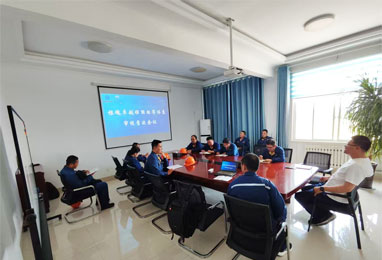
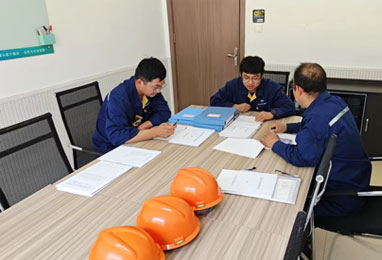
Practical ability drives the precise supply of talents. The practical training platform builds a "teaching mirror" of the real production environment, enabling trainees to directly face practical scenarios such as risk identification and emergency response, and shortening the adaptation period from the classroom to the position.
 01
01
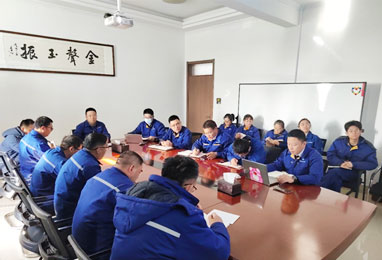
Unleash the efficiency of human resources throughout the entire chain. Design multi-level training frameworks for different groups to avoid the waste of resources caused by a one-size-fits-all approach.
 02
02
A catalyst for incubating new quality productivity. The cross-enterprise training platform is not only a carrier for skill transmission but also a resource pool for industrial innovation. By collaborating with universities and international institutions, integrating cutting-edge technologies and international standards into curriculum development, we promote the two-way interaction between talent cultivation and scientific research transformation.
 03
03
 Reduce costs and increase efficiency
 Through comprehensive wastewater pretreatment and large-scale reuse of reclaimed water, the cost of fresh water intake and sewage discharge fees have been significantly reduced. Graded treatment enables the use of water of different qualities (such as cooling and cleaning), reducing the energy consumption for the preparation of high-purity water. The internal circulation of resources reduces the reliance on external water procurement and enhances water use efficiency. Reduce the unit treatment cost through systematic governance to achieve economic conversion of environmental protection investment.
 Environmental protection synergy
 This model breaks the deadlock of "environmental protection dragging down benefits". Pre-treatment ensures compliance with emission standards and avoids the risk of fines. The reuse of reclaimed water directly reduces the total amount of pollutant discharge and alleviates the pressure on the ecological environment of the river basin. Transforming end-of-pipe treatment into resource recycling can create new value through resource circulation while meeting strict environmental protection regulations.Achieve the coordinated growth of environmental compliance and business efficiency.
 Circular closed loop
 Build a closed-loop system of "sewage collection → hierarchical treatment → stepwise reuse → near-zero discharge". High-concentration wastewater is pre-treated to recover useful components, and ordinary sewage is converted into reclaimed water through biochemical and advanced treatment (such as membrane technology), which is then reused in the production process. The resource utilization of sludge supplements energy, eventually forming a circular network that links water, energy and materials, shifting from linear consumption to sustainable internal circulation.

Through intelligent monitoring systems, standardized management processes and process optimization, dynamic risk control throughout the entire chain is achieved. For instance, real-time DCS monitoring can issue millisecond-level warnings for abnormal parameters, and clean production technological transformation can reduce the risk of hazardous waste leakage from the source and lower the probability of accidents.
Multi-level emergency response plans and intelligent command platforms have significantly enhanced the efficiency of crisis handling. For instance, VR simulation of accident scenarios training can increase the accuracy rate of employees' emergency operations to 98%, shorten the accident response time by more than 30%, accelerate the resumption of production process, and reduce the losses caused by secondary disasters.
Strict environmental management and a reliable emergency reputation make it easier for enterprises to pass ESG evaluations, obtain green credit and priority in supply chain cooperation. For instance, international chemical giants have incorporated emergency indicators into the supplier access threshold, compelling the improvement of the entire chain's capabilities, form a virtuous cycle. Through the coordinated optimization of systems, responsibilities, resources and security, enterprises can build resilience in the face of uncertainties and achieve the dual goals of high-quality and sustainable development.
Premium Halogen Sources,Uncompromising EHS Commitment Create a cluster of green agrochemical hidden champions